↻
Change Management
Designing change that is reinforced, measured, and built to outlast the launch — not announced and abandoned.
I’m Kamal Shaw — a people & culture executive who treats culture as infrastructure. Through my practice, The And Culture, I help leaders close the gap between the culture they say they have and the one their people actually experience.
“Culture is not a statement. Culture is infrastructure.”
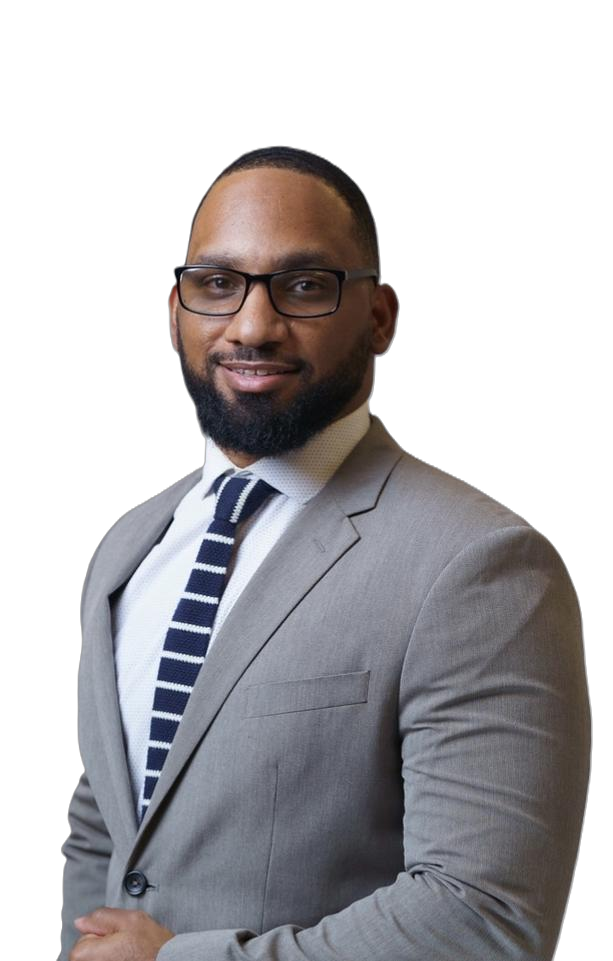
Kamal Shaw is a people & culture leader whose career has moved through membership, diversity, inclusion, and engagement leadership — always with the same throughline: the experience of being human at work matters, and it can be designed for.
He has led culture and engagement strategy, chaired and advised committees, and built the frameworks behind The And Culture — a practice grounded in the conviction that honesty, psychological safety, and systems thinking are the real engines of organizational change.
He operates with executive range — setting people strategy at the leadership table while staying close to the lived, day-to-day reality of the people that strategy is meant to serve. The result is organizations where stated values and lived experience become one and the same.
Kamal leads at the intersection of strategy and humanity — directing culture and engagement at scale while never losing sight of the individual experience that makes a strategy real. He brings calm, candor, and a systems mindset to the rooms where culture is decided.
“The organizations that win are the ones where the values on the wall and the experience in the room are the same thing.”
Designing change that is reinforced, measured, and built to outlast the launch — not announced and abandoned.
Helping leaders and teams stay curious instead of defensive when the data gets uncomfortable.
Unlocking the ideas people hold back when they don’t yet feel safe to contribute or challenge.
Creating the conditions for honest conversation — the kind that names the gap and starts to close it.
Every organization has two cultures: the one it says it has, and the one people actually experience. The gap between them is where most organizational pain lives. The And Culture exists to name that gap honestly — and build something better in its place.
Culture is not a statement.
Culture is infrastructure.
Understanding what people carry before asking them to change. People rarely transform where they feel attacked.
Naming what is true — the gap between stated values and lived reality — without blame.
Taking other people’s experience as seriously as your own. Respect as daily practice, not a wall poster.
The shift from “I see the problem” to “I have a role in changing it.”
A repeatable architecture that moves an organization from listening all the way to sustained, measurable change.
We hear what’s actually happening — live psychological safety survey, empathy mapping, and a composite persona built together.
→ Safety baseline · Named themes · Values-vs-reality gapFindings move into structured conversations with leaders, managers, and teams. The goal is shared meaning, not blame.
→ Owned tensions · Behavioral commitments · Champion mapEverything is synthesized into organizational intelligence — a systems-level analysis of what is producing the culture you have.
→ Insight themes · Root-cause diagnostic · Opportunity mapWe build the actual change plan — five interconnected components engineered to survive contact with the organization.
→ Comms roadmap · Capability plan · Measurement dashboardThe plan goes live. Leadership stops talking about change and starts being it — with visible structural moves.
→ Leader commitments on record · 3 changes in 60 daysWe design the metabolic system that keeps the work alive — the part where most change efforts quietly die.
→ Living reinforcement · Internal ownership · 12-month reportThe test of every engagement:
“Would the persona we built in Phase 1 experience this organization differently today?”
If yes — that is what transformation looks like.
“The belief that you won’t be punished or humiliated for speaking up.”
Can I be myself here — without masking or performing a safer version of me?
Is it safe to ask questions and make mistakes without fear of humiliation?
Are my ideas genuinely welcomed — or do I hold back because I’m unsure?
Can I raise concerns and challenge decisions — or do I stay silent to stay safe?
I’d welcome a conversation — about executive people & culture leadership, a speaking or facilitation engagement, or bringing The And Culture into your organization.
Replace these links with your preferred email and LinkedIn URL.